
Tribal Resistance Movement
- Home /
- Tribal Resistance Movement
What Was the Movement?
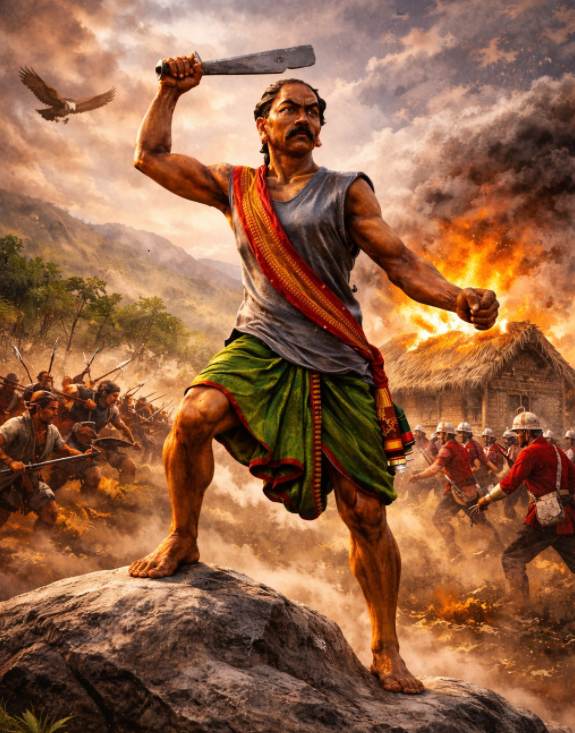
Sambhudhan Phonglo led resistance movements during the 19th century when British colonial authorities imposed administrative control, disrupted traditional tribal governance, and threatened Dimasa cultural identity.
Objectives of the Movement
- Protection of Dimasa tribal sovereignty and land rights
- Resistance against British administrative and taxation policies
- Preservation of tribal culture, traditions, and governance systems
- Freedom from colonial exploitation
Role of
Sambhudhan Phonglo
Sambhudhan Phonglo played a multi dimensional role as an organizer, cultural defender, resistance figure, and community guide. His contributions combined leadership, coordination, and identity protection.
- Strengthened unity across local networks
- Encouraged disciplined participation
- participation Linked culture with organized action
- Linked culture with organized action
🧭
Strategic Organizer
He structured movements and local networks with clear direction, helping people act with unity and shared objectives.
👥
Community Mobilizer
Encouraged participation across groups, turning scattered voices into coordinated collective action.
🏹
Resistance Figure
Represented courage and defiance, standing as a symbol of organized resistance and self determination.
📢
Voice of Identity
Promoted cultural identity and rights awareness through message, action, and leadership presence.
Impact of Sambhudhan Phonglo
Sambhudhan Phonglo’s impact extended beyond immediate resistance efforts. His influence reshaped community confidence, identity awareness, and organized local leadership models.
SOCIAL EFFECT
Community Confidence Rise
His leadership helped communities overcome fear and hesitation, replacing it with coordinated confidence and shared purpose in action.
CULTURAL EFFECT
Identity Protection Movement
Cultural identity became a central pillar of organized response, linking heritage with leadership and resistance strategy.
LEADERSHIP EFFECT
Grassroots Leadership Model
Demonstrated that leadership can grow from the ground level through responsibility, discipline, and people first organization.